
Review · SOVIET ESTONIA TOURS
Tallinn: Behind the Iron Curtain Soviet Secrets Guided Tour
Soviet secrets sit just beyond Tallinn. This half-day tour pairs small-group access with hands-on stops that explain how daily life worked under Soviet rule, from media control to restricted coastal zones. I especially like that you’re not stuck in one museum, you get a mix of drive-by context, short walks, and real-world remnants.
I also like the balance of serious sites with practical movement. You’ll visit the Tallinn TV Tower for broadcasting context, then head to Maarjamäe to see how Soviet power is remembered in public space. And I like the way the guide turns geography into meaning, including the sea-border restrictions near the Viimsi peninsula.
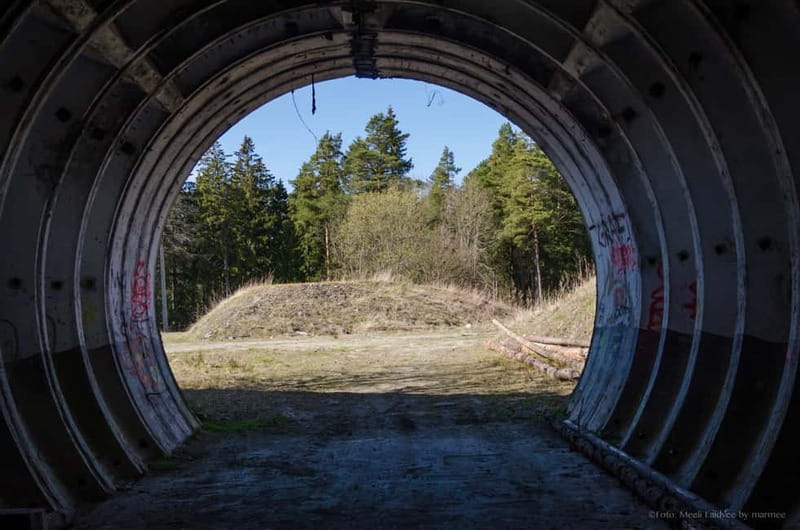
One consideration: the abandoned Soviet air-defense base is mostly reclaimed by nature, so you should expect quiet ruins and overgrown structures more than big dramatic architecture. If you hate uneven paths or weather changes, plan for light walking over uneven terrain and bring proper shoes.
In This Review
- Key takeaways before you go
- A small-group Soviet secrets tour that feels human
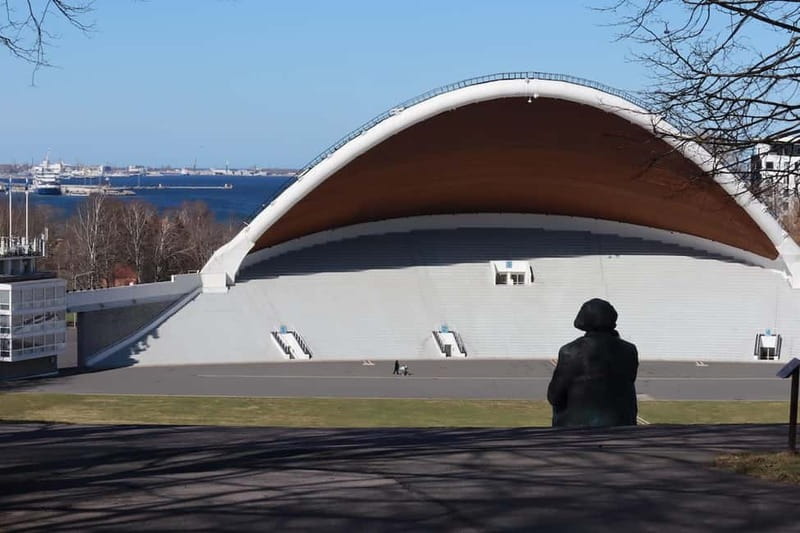
- Tallinna Song Festival Grounds, then straight into the era shift
- Maarjamäe Kommunismiohvrite Memorial and Maarjamäe Palace exhibits
- Viimsi and the sea-border restrictions you can feel in your itinerary
- The forest air-defense base: concrete remnants and nature taking over
- Tallinn TV Tower: Soviet media control becomes something you can picture
- Olympic Yachting Center and the 1980 Moscow Olympics footprint
- Lasnamäe: the scale of Soviet housing planning
- Walking, timing, and what to wear for the half-day format
- The real value of a $159 price for a 4-hour history route
- Should you book the Tallinn Behind the Iron Curtain tour?
- FAQ
- How long is the Tallinn Soviet Secrets guided tour?
- What is the group size?
- Is the tour available in English?
- Where does the tour meet?
- Are museum entrance fees included?
- Is lunch included in the price?
- Is the tour wheelchair accessible?
- What is the cancellation window?
Key takeaways before you go
- Small group, more questions: limited to 7 participants, so your guide can slow down for your curiosity.
- Forest ruins you can actually reach: a short walk to the remains of a Soviet air-defense base, with concrete remnants and access routes.
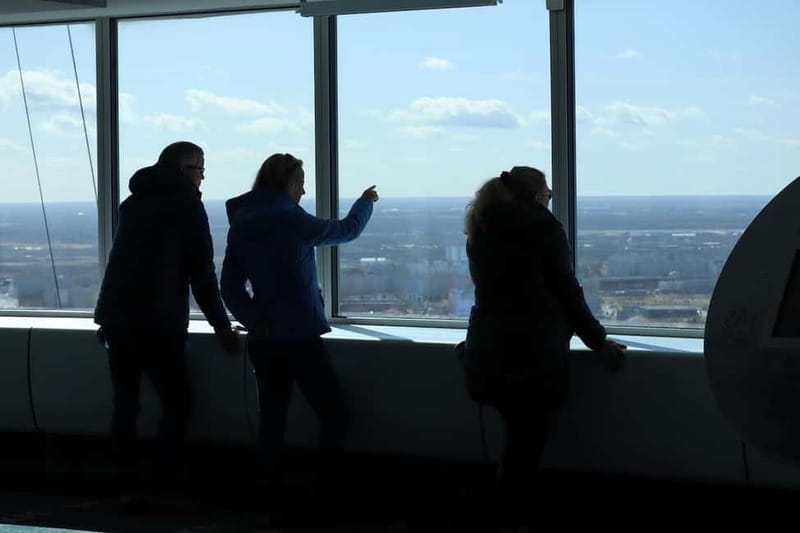
- TV Tower makes propaganda tangible: you’ll hear how Soviet-era broadcasting shaped public information, then visit the tower.
- Maarjamäe shows remembrance in layers: a memorial photo stop plus museum time at Maarjamäe Palace for Soviet-era monuments.
- Soviet city planning is visible: a drive through Lasnamäe shows the scale of housing built during the Soviet period.
- It runs in real weather: it goes rain or shine, so wear layers and expect some rougher ground.
A small-group Soviet secrets tour that feels human
Tallinn’s medieval core gets most of the attention. This tour shifts the focus to what’s harder to spot on your own: the Soviet-era systems that shaped movement, information, and where people could go.
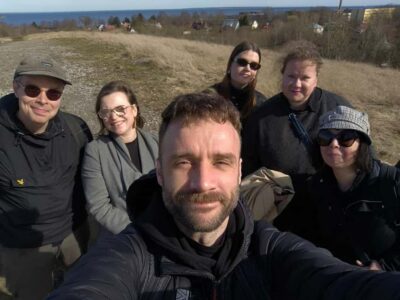
It lasts about 4 hours, and it starts and ends at the Tallinn Tourist Information Centre in Old Town. You’ll ride out of the city with a live English guide, usually in a small group capped at 7, which matters more than it sounds. In a group this size, you can ask follow-ups, not just absorb facts as they march by.
Also, this isn’t a pure museum day. You’ll get short walks (including a forest path and an outdoor stretch around coastal restrictions) plus several guided stops. That mix keeps the history anchored to place, not just dates on a wall.
Guides named in past departures include Stassi, Kris, KJ, Jorge, and Denis. What seems to repeat is a warm, conversational approach and plenty of time for questions, not just a script.
More left over from the occupation years:
Tallinna Song Festival Grounds, then straight into the era shift
The tour begins with a guided visit at the Tallinna Song Festival Grounds, about 20 minutes. Even if you’re not a “music festival person,” this stop works as a quick anchor point for modern Estonian identity before you head into the Soviet story.
It’s a smart pacing trick. You start with something local and civic, then the day tightens into how Soviet rule reorganized everyday life across northern Estonia.
If you’re the type who likes context before heavy topics, you’ll appreciate this setup. If you prefer to go directly to the most dramatic Cold War sites, you might feel that the first stop is a gentle warm-up.
Maarjamäe Kommunismiohvrite Memorial and Maarjamäe Palace exhibits
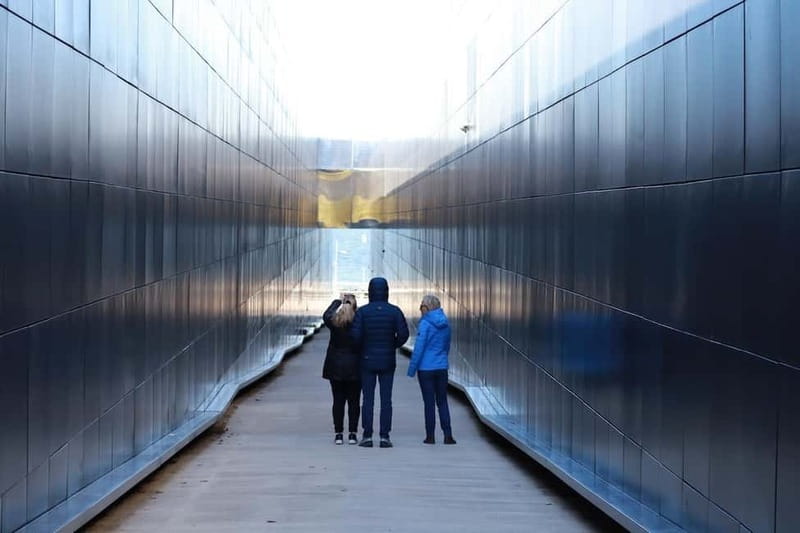
Next you’ll stop at Maarjamäe Kommunismiohvrite Memoriaal for a photo stop and a short guided explanation. This is the part of the day that makes the tour’s theme feel real, fast. Soviet history isn’t only about buildings and borders, it’s about what that system did to people.
From there, you go to Maarjamäe Palace with access to exhibits that display Soviet monuments. The tour frames it in a clear way: how public memory in Estonia treats communist-era symbols and what the country chose to keep, move, or interpret.
This museum segment is one of the best values on the tour. Museum entrance fees are included, and the guided time helps you connect the monuments to the bigger story, instead of leaving you to guess what each object is trying to communicate.
A practical note: this is a photo-and-museum rhythm day. You’ll likely want a camera, but also a little time to slow down and read what you’re looking at.
Viimsi and the sea-border restrictions you can feel in your itinerary
After leaving Tallinn, you’ll head toward the Viimsi peninsula. This area was restricted during Soviet times because of its proximity to the sea border. Rather than treating that as an abstract detail, the guide explains how restrictions shaped residents, and what “access” meant in real day-to-day life.
Then you’ll get an outdoor sightseeing stretch tied to those former restrictions. The tour includes a walk segment of about 45 minutes, focusing on areas that were once off-limits because of the border.
What I like about this part is that it teaches you how borders work as a system. You’re not just hearing about policy, you’re stepping through the geography that made enforcement possible.
If you’re visiting Tallinn and only focusing on the old town, this is the moment that changes how you think about the city’s layout. Coastal access, visibility, and distance from sensitive zones all mattered.
The forest air-defense base: concrete remnants and nature taking over
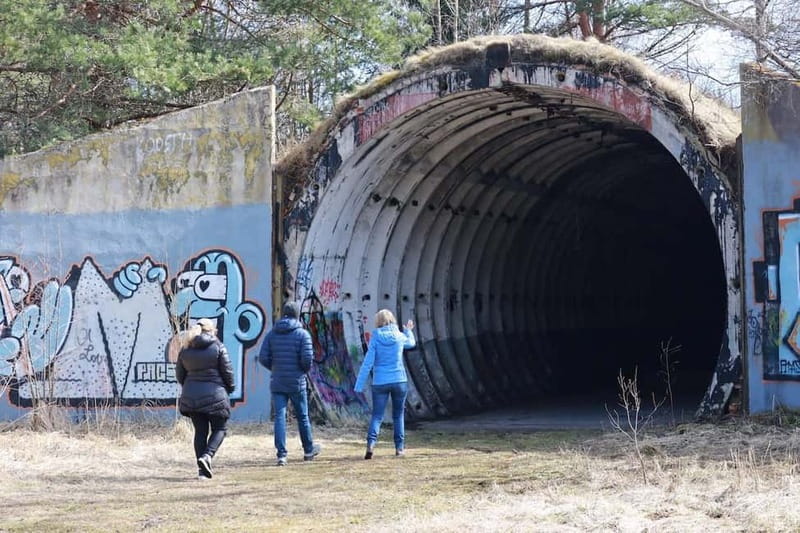
One of the most memorable stops is the short forest walk to the remains of an abandoned Soviet air-defense base. Hidden among the trees are structures tied to missile-related operations, including concrete blast walls, storage areas, and overgrown access routes.
Here’s the truth you need going in: this stop is atmospheric, not theatrical. The best part is how quickly these sites disappear back into the landscape, showing you how temporary military infrastructure becomes once it loses its purpose. You’ll see enough to understand what it was, but you won’t get a fully intact site tour.
A real consideration is that reviewers have noted the base offers limited material, because nature has reclaimed much of it. That doesn’t make it pointless, it just means you should manage expectations. If you love hunting for evidence and interpreting ruins, you’ll enjoy it. If you want big dramatic structures, you might wish for more exposed buildings.
Practical tip: wear shoes with grip. The walking is described as light, but the terrain is uneven, and you’ll be moving on forest paths.
Tallinn TV Tower: Soviet media control becomes something you can picture
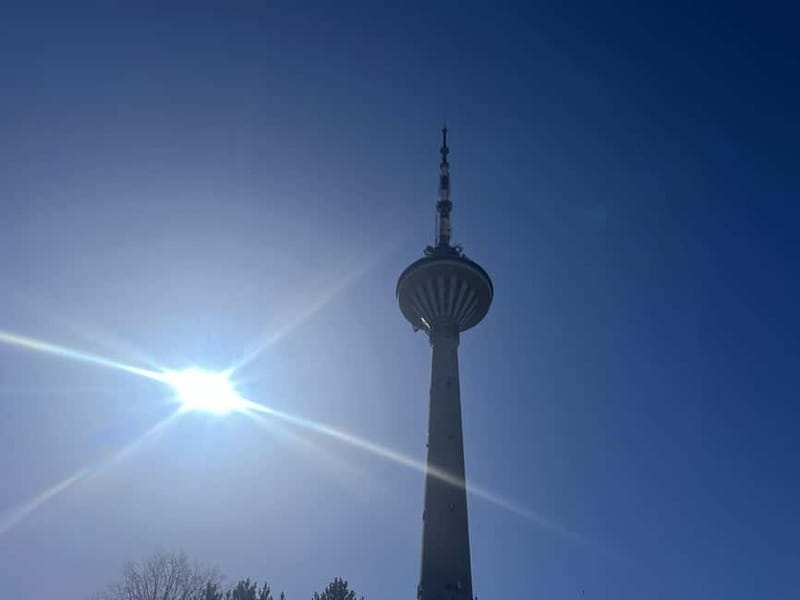
Then comes the highlight for many people, the visit to the TV Tower in Tallinn. The tour spends about 1 hour here, and the focus isn’t just the tower itself. The guide explains Soviet-era media control, how information reached the public, and why broadcasting mattered during major political shifts, including Estonia’s path toward independence.
Standing at a broadcasting hub changes the conversation. You can look at the city and think about who could reach whom, who controlled signals, and how quickly news could spread when someone wanted it to.
Also, a TV tower stop has a built-in weather dependency. If visibility is poor, you might feel less excited about the viewpoints. If skies are clear, you’ll get more out of the tower visit.
One more thing I value: the guide doesn’t treat media history as abstract theory. They connect it to how people lived, which keeps it from turning into a lecture.
More led by a guide in Tallinn:
- Tallinn: Guided Old Town Historical Walking Tour★ 4.9 · 956 reviews
- Guided Old Town Tallinn Historical Walking Tour★ 5.0 · 395 reviews
- 2-Hour Guided Walking Tour of Tallinn★ 5.0 · 113 reviews
- Tallinn Tales: City Highlights Guided Walking Tour★ 4.8 · 58 reviews
- Tallinn: Private Guided Walking Tour of the Medieval City★ 5.0 · 44 reviews
Olympic Yachting Center and the 1980 Moscow Olympics footprint
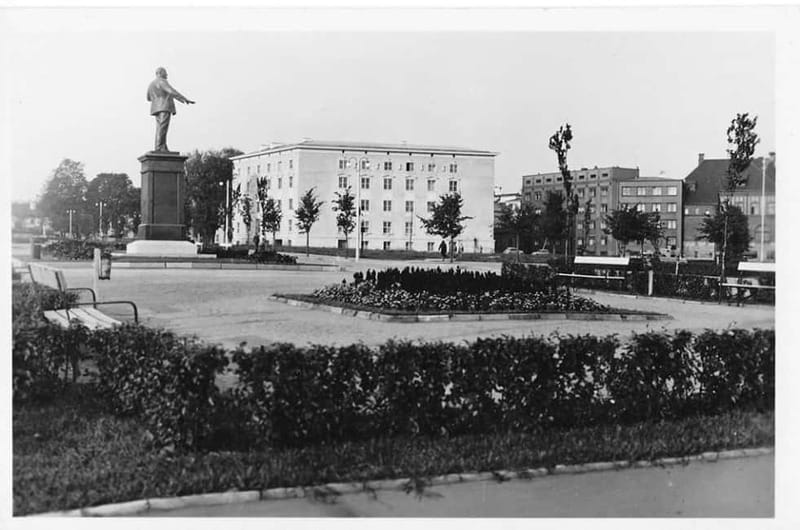
The tour also passes by the Olympic Yachting Center. It was built for the 1980 Moscow Olympics, when Tallinn hosted the sailing events. This stop is a nice reminder that Soviet influence wasn’t only military or political, it also shaped infrastructure.
What I like is the cause-and-effect lesson. The complex and the attention around the Olympics changed the area. For you, it means you see how a major international event can leave long-term physical traces, even when politics sit under the surface.
This isn’t a long stop, but it adds variety. After dark themes like air-defense ruins and media control, you get something more open and modern-looking, and you learn how that modernity was manufactured through the Olympic project.
Lasnamäe: the scale of Soviet housing planning
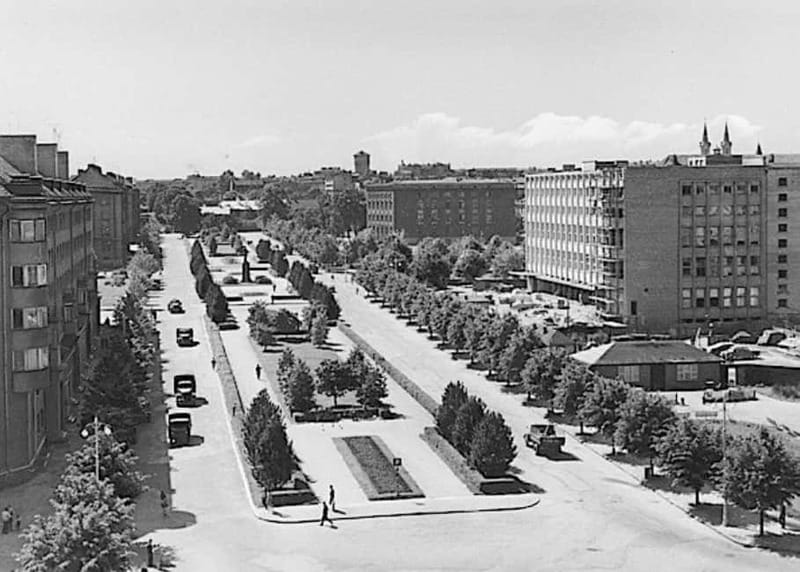
To close out the day, you’ll drive through Lasnamäe, Tallinn’s largest residential district built during the Soviet period. The tour frames what you’re seeing: wide avenues and large housing blocks, built as part of fast urban expansion.
This is a stop that helps you read the city. Once you’ve seen how the district grew, you’ll notice patterns the next time you’re riding or walking in Tallinn. Soviet-era construction wasn’t just architecture, it was a system for moving people into a planned urban machine.
It’s also a useful emotional shift. You’ve spent the day on restriction, control, and military remnants. Lasnamäe brings you back to daily life at scale, the kind of life that outlasted the slogans.
Walking, timing, and what to wear for the half-day format
This tour includes light walking on forest paths and uneven terrain. You’re not signing up for a marathon, but you should wear weather-appropriate outdoor clothing and comfortable walking shoes. Bring layers. Coastal Estonia weather has a habit of changing its mind.
The full loop is about 4 hours, so it’s also a good plan if you want Soviet history without sacrificing the whole day. Lunch isn’t included, so decide in advance whether you’ll eat before you go or afterward.
If you’re the kind of traveler who likes a bit of downtime between destinations, consider scheduling something easy after. You’ll likely want time to look around the Old Town again or grab a coffee while your brain processes what you just learned.
The real value of a $159 price for a 4-hour history route
At $159 per person, this isn’t a bargain-basement add-on. You’re paying for several things that add up in real life: pickup and return from Old Town, a live English guide, transport during the ride between sites, and entrance fees to museums.
The best part of the value equation is the small-group size. With a cap of 7 participants, you get more of the guide’s attention. That matters for a topic like Soviet-era life, where your questions might go beyond the basics into how things worked, not just what happened.
Also, the stops aren’t all indoor. You’re getting both museum interpretation and outdoor context, including border-area stories and military ruins. That mix can cost you extra time if you DIY it, especially if you want an explanation that turns distances and restrictions into meaning.
So who gets the best deal? People who want guided context, can handle some uneven walking, and care about understanding the systems behind Estonia’s Soviet period, not just collecting photos.
Should you book the Tallinn Behind the Iron Curtain tour?
I’d book this tour if you want Soviet history with place-based explanations. It’s well suited for people who like guided interpretation, want to ask questions in a small group, and enjoy seeing how history shows up in everyday geography.
It’s also a good choice if you’re curious about the practical side of power: media control from the TV Tower, restricted access near the sea border, and the way Soviet urban planning shaped districts like Lasnamäe.
Skip it or approach with caution if:
- You need step-free access, because the tour is not wheelchair accessible.
- You expect fully intact military ruins, because the air-defense base is reclaimed and not a “big site.”
- You’re only interested in Tallinn Old Town sightseeing, since the day runs outside the medieval core.
If you’re in Tallinn for a short time, this is one of those half-day options that can change how you see the city long after the tour ends.
FAQ
How long is the Tallinn Soviet Secrets guided tour?
The tour duration is 4 hours.
What is the group size?
The group is a small group with a limit of 7 participants.
Is the tour available in English?
Yes, the live tour guide language is English.
Where does the tour meet?
The guide meets you outside of the Tallinn Tourist Information Centre.
Are museum entrance fees included?
Yes, entrance fees to museums are included in the tour price.
Is lunch included in the price?
No, lunch is not included.
Is the tour wheelchair accessible?
No, the tour is not wheelchair accessible.
What is the cancellation window?
You can cancel up to 24 hours in advance for a full refund.
Latest to appear in Tallinn
- Private 2.5-Hour Tour of Tallinn Old Town in a Spacious Mercedes Minivan
★ 5.0 · 1 review - Private Transfer from Tallinn to Riga and Stopover at Turaida
★ 5.0 · 1 review - Two Countries in One Day: Day Trip from Riga to Tallinn
★ 5.0 · 1 review - Guided Tallinn Old Town Winter Walking Tour
★ 5.0 · 1 review - Estonian Gingerbread Workshop in Tallinn’s Old Town
★ 5.0 · 1 review - Enchanted Tallinn: Private Christmas Walking Tour with Piparkook
★ 5.0 · 1 review - Tallinn: 24-Hour City Bike Rental
★ 5.0 · 1 review - Tallinn singing grounds: story of bees that broke the empire
★ 5.0 · 1 review
Soviet Estonia Tours, compared.
Coastal Cliffs and Rummu Submerged Quarry Day Tour
Read our review →
Small-Group Half-Day Tour of Rummu and Coastal Cliffs
Read our review →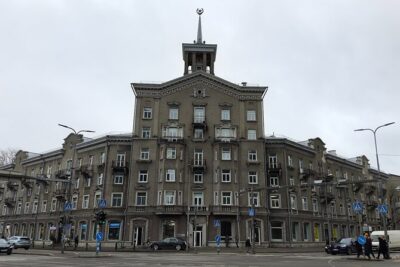
Soviet Walking Tour of Tallinn: Explore the City’s Hidden History
Read our review →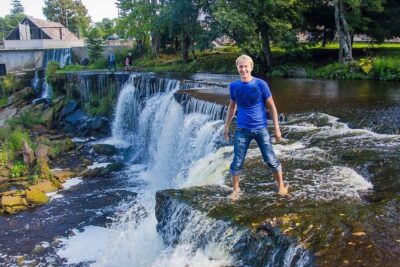
Coastal Cliffs, Paldiski & Rummu Quarry Day Tour
Read our review →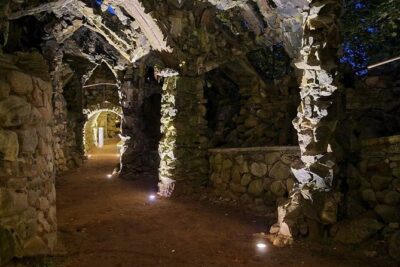
Half-day Ancient Ruins and Castles: Von Glehn Park, Padise, Rummu
Read our review →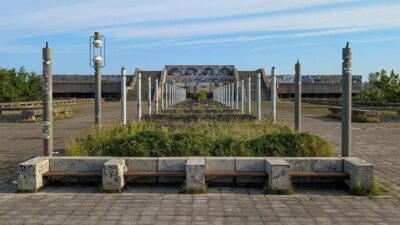
Soviet Tallinn: Cold War Echoes Behind the Iron Curtain Tour
Read our review →Tour of Tallinn Old Town and visit to The Seaplane Harbour
Read our review →Browse the lists this tour appears in