
Review · TALLINN OLD TOWN WALKS
Tallinn: Medieval Walking Tour
Tallinn can feel like a movie set, but it is real. This medieval Old Town walking tour turns the streets between Lower Town and Upper Town into a guided timeline, with legends, architecture, and classic viewpoints. You also get the sweet angle, thanks to the Town Hall Pharmacy and marzipan stops.
I love how quickly this tour helps you make sense of the city’s shape. Two hours is enough time to get your bearings, then focus on big landmarks without rushing every single corner. I also like the way the guide shares details you would otherwise miss, whether it is church history or why Tallinn became wealthy through sea traders.
One consideration: it is a cobblestone-heavy walk. If your feet get tired fast, this may feel like more walking than you planned, especially in winter.
In This Review
- Key things you will notice on this Tallinn tour
- Starting at Raekoja 1, you immediately feel the Old Town logic
- Town Hall Square and the Raekoja Pharmacy: where marzipan meets medieval power
- Great Guild Hall and Holy Ghost Church: the city’s merchant mindset
- Puppetry arts and Danish King’s Garden: softer stops with a surprising thread
- Alexander Nevsky Cathedral and St. Mary’s Cathedral: two churches, one city of many faiths
- Kohtuotsa viewpoint and Patkuli Stairs: the photo moment you will actually remember
- St. Olaf’s Church and Toompea Castle: the ridge-top finish with big meaning
- Pace, group size, and what this costs you in real terms
- What to do before and after the tour to get more from your day
- Should you book this Tallinn Medieval Walking Tour?
- FAQ
- Where is the meeting point for the Tallinn medieval walking tour?
- How long is the tour?
- How much does the tour cost?
- What is included in the tour price?
- Are museum entries included?
- What should I bring for this tour?
- Is this tour suitable for everyone?
Key things you will notice on this Tallinn tour
- Raekoja 1 as the launch point, right in the heart of Old Town action
- Town Hall Square photo stop, setting you up for the views and photo angles later
- Town Hall Pharmacy and the marzipan museum room, where history turns into a sweet story
- Lower Town to Upper Town flow, so you understand who lived where, and why
- Viewpoints at Kohtuotsa and Patkuli Stairs, built for memorable skyline photos
- Toompea Castle and the top churches, the “big finish” that makes the walking feel worth it
Starting at Raekoja 1, you immediately feel the Old Town logic
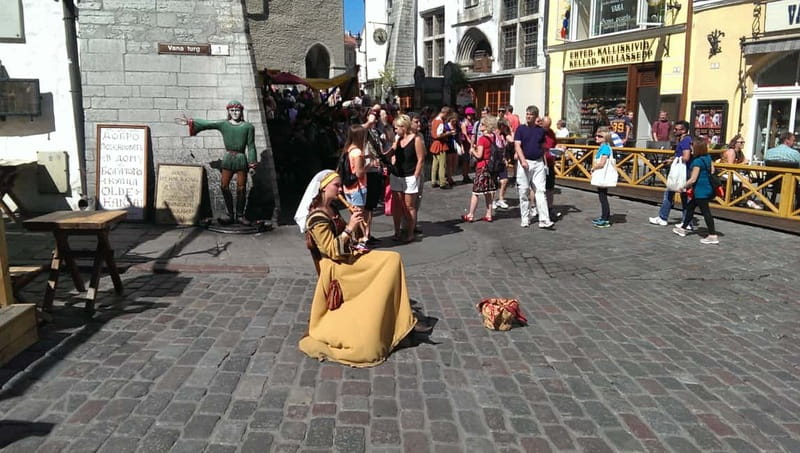
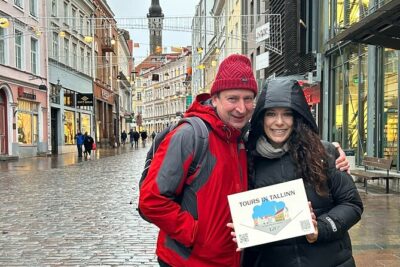
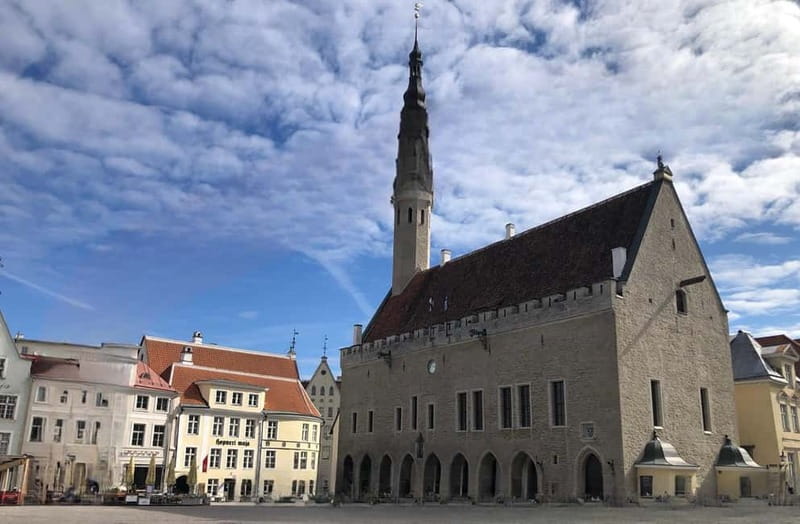
The tour begins at Raekoja 1 on Town Hall Square, at the Town Hall clock. The guide is easy to spot, arriving about 5 minutes early with a sign that matches your name. That small detail matters, because the square can be busy and you want to start moving, not hunting.
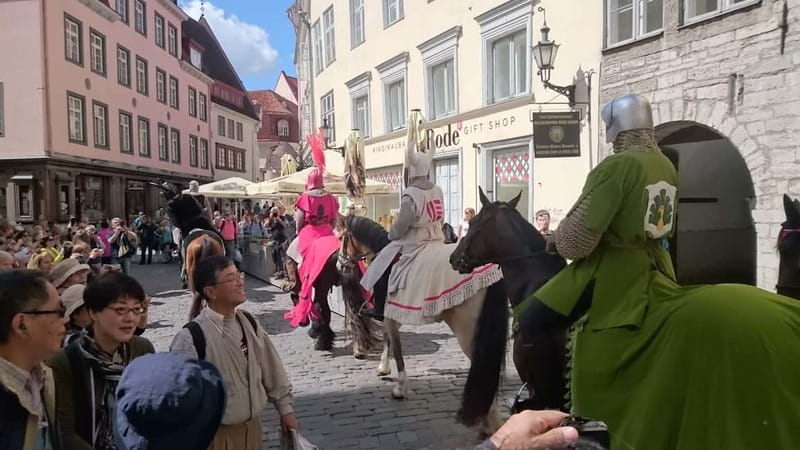
From the start, you will be guided through Tallinn’s medieval layout: the Old Town split into Lower Town and Upper Town. You get a sense of function, not just scenery. Lower Town connects to artisans and merchants, while Upper Town ties to viceroys and nobility. The guide also explains how Tallinn grew wealthy by attracting sea traders, which helps you connect the city’s wealth to what you see on the ground.
Expect short photo stops and guided bits. In winter, you will likely appreciate pacing and extra listening support, since some groups mention using ear pieces so you can hear clearly even when it is cold and the street noise rises.
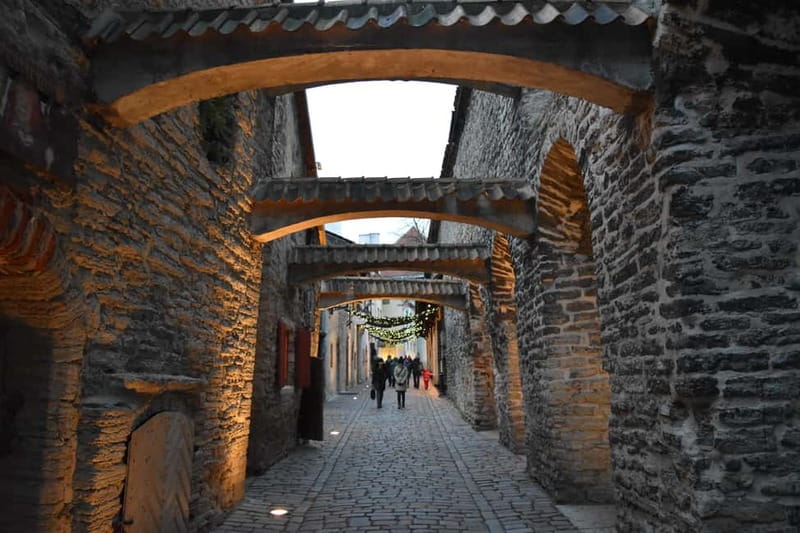
More walking inside the town wall:
Town Hall Square and the Raekoja Pharmacy: where marzipan meets medieval power
Town Hall Square is your first anchor point, and you will get a dedicated photo moment before moving onward. It is a good plan. You start with the open space, then the medieval lanes, so your brain can map the city as you go.
Next is the Town Hall Pharmacy visit, which is famous for being tied to the oldest Town Hall and Pharmacy heritage in Europe. This is not just a shop stop. The guide uses it to explain how Tallinn’s past connected civic life to everyday needs, and then swings you into marzipan culture with the Kalev Marzipan Museum Room.
Why this works well: it gives you a Tallinn souvenir story you can actually tell. Marzipan is fun on its own, but the way this stop is framed makes it feel like part of the city’s rhythm, not an afterthought.
One practical note: this is one of the stops where you may want cash on hand, since it is explicitly listed as something to bring. Even if you do not buy anything, having the option keeps you from feeling stuck.
Great Guild Hall and Holy Ghost Church: the city’s merchant mindset
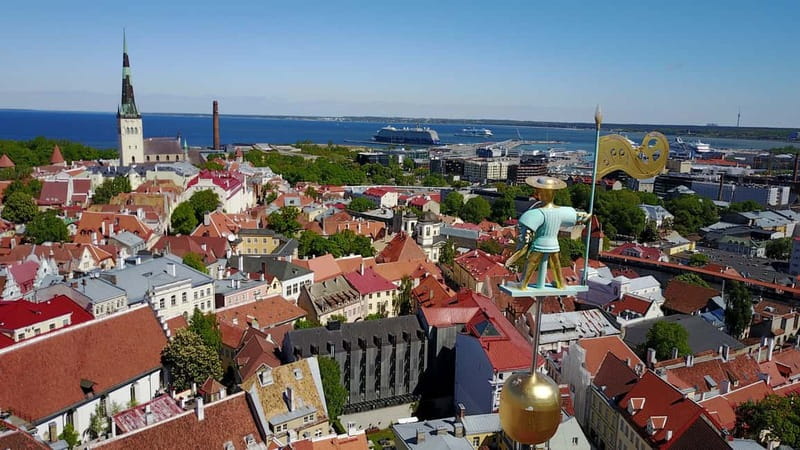
After the marzipan chapter, the tour moves into the “who had money and why” section. You will make a photo stop at the Estonian History Museum, specifically the Great Guild Hall. The name alone tells you this is about collective merchant power, and the guide uses that idea to explain how Tallinn’s sea trade made it a go-to hub.
Then comes Holy Ghost Church. You will have a guided visit, and this is where you start hearing more about the way religion and daily life overlapped in medieval Tallinn. The tour includes the language story too, connecting Estonians, local Germans, and Catholic monks as part of communication across communities. It is one of those details that makes the city feel human, not just old.
If you like tours that translate architecture into meaning, you will probably enjoy these stops. They are not just checkboxes. They help you understand why certain buildings gained importance and how that shaped the city’s streets.
Puppetry arts and Danish King’s Garden: softer stops with a surprising thread
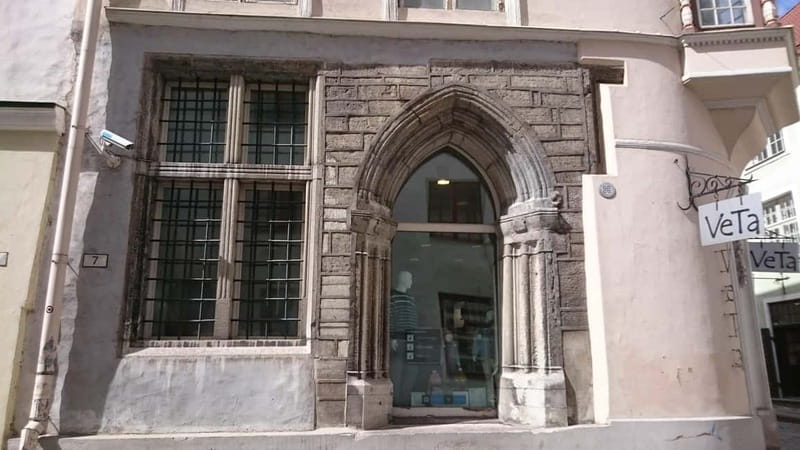
Next you pass through the Estonian Theatre for Young Audiences, tied to the Museum of Puppetry Arts. You get a guided tour here. It is a refreshing change of pace from churches and guild-era buildings, and it shows how Tallinn balances medieval roots with creative culture.
Then you move to the Danish King’s Garden for a guided visit. This part is especially memorable because it connects to the tour’s theme about flags and origins. You will also learn about the place of birth of the Danish flag, described as the oldest in Europe. Whether you care about heraldry or not, the guide frames it in a way that makes Tallinn feel connected to bigger Northern European stories.
This is also where a good guide earns their keep. Some guides, like Roman and Karina, are praised for pacing and for answering questions on the spot. In a short tour, that kind of flexibility can turn a “quick stop” into a “wait, tell me more” moment.
Alexander Nevsky Cathedral and St. Mary’s Cathedral: two churches, one city of many faiths
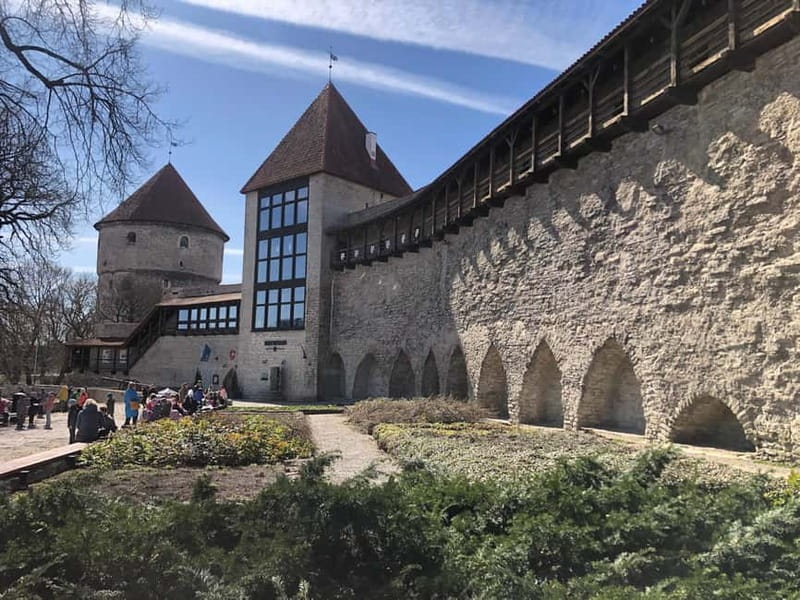
The walking route then brings you to two major cathedral stops with guided time at each.
First is Alexander Nevsky Cathedral, described as the most courageous Orthodox church in Estonia. You will see it up close and get guided commentary. This matters because Tallinn’s medieval era was never one single culture. The guide’s earlier notes about communication between groups come back here in a practical way, since the city’s architecture reflects the layers of influence.
Then you visit St. Mary’s Cathedral for guided time. This is your reminder that “medieval” in Tallinn means more than stone walls. It also means religious power, craftsmanship, and how communities expressed identity.
A tip for your photos: keep your camera ready but do not block the path. Cathedral visits often get busy at the same moments, and guides move groups in a smooth flow when everyone helps them.
Kohtuotsa viewpoint and Patkuli Stairs: the photo moment you will actually remember
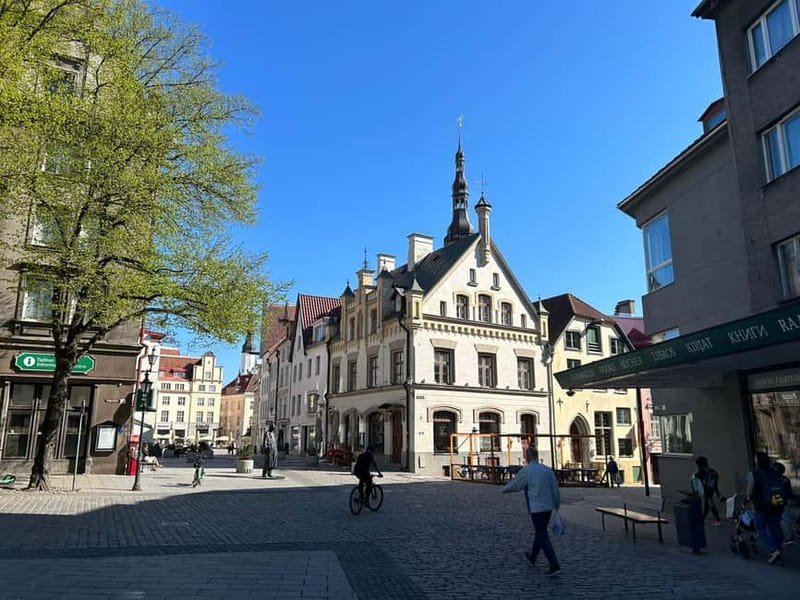
If you want a Tallinn skyline photo that does not look like every other postcard, this is where it happens. You will visit the Kohtuotsa viewing platform for time to take pictures. Then you will head to Patkuli Stairs for another stop, again with time to look, shoot, and breathe.
This is not just “stand here, take picture.” The guide typically ties these viewpoints back to the city’s structure. When you understand Upper Town and Lower Town, the views suddenly make sense. You can see why the ridges mattered and how defense and trade influenced where people built.
In cold weather, these stops are also psychologically important. You pause, you look out, and you stop feeling like you are just walking between stops. That is why guides who keep a steady pace, like Max or Svetlana, get praised for making the tour feel smooth rather than rushed.
More of Tallinn walked end to end:
- Tallinn: Private Walking Tour with a Local★ 4.7 · 411 reviews
- Medieval Tallinn 2-Hour Old Town Walking Tour★ 4.8 · 137 reviews
- 2-Hour Guided Walking Tour of Tallinn★ 5.0 · 113 reviews
- Hidden Tallinn: Soviet Walking Tour★ 4.9 · 76 reviews
- Private Shore Excursion: Tallinn Old Town Walking Tour with Round-Trip Transfer★ 5.0 · 64 reviews
St. Olaf’s Church and Toompea Castle: the ridge-top finish with big meaning
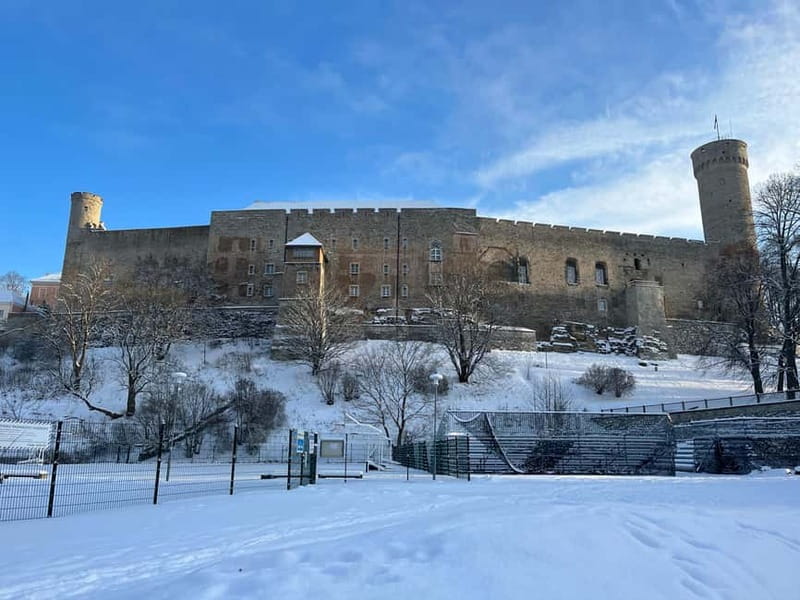
The tour’s “final boss” includes St. Olaf’s Church and Toompea Castle, Tallinn.
You will make a photo stop at St. Olaf’s Church. The tour highlights it as the former tallest church in the world (and marks it as a former highest church). Even if you are not the type who reads every plaque, this is a landmark that tends to command attention because of how people talk about its past.
Then you reach Toompea Castle, where you get a photo stop. The big point here is political and geographic. Toompea Castle is described as occupied by the Parliament, which turns the final minutes into a bridge from medieval Tallinn to the present day.
This ending works because it lifts you out of street-level details. You finish with the kind of landmark that makes you feel the city’s “why” rather than only its “what.”
Pace, group size, and what this costs you in real terms
The duration is 2 hours, and the group is limited to 10 participants. That small number is not just a comfort perk. In a medieval Old Town, a big group slows down and makes it harder to hear. Smaller groups also help the guide manage quick photo moments without chaos.
The price is $42 per person. Is it a deal? For what you get, it is fairly priced if your goal is orientation plus storytelling. You are paying for the guided interpretation of multiple landmarks: churches, guild-era sites, marzipan heritage, and viewpoints. If you were to do this alone, you could walk to the sites, but you would likely lose the connections between them, and that is the core value here.
One more small but meaningful factor: you will often get ear pieces on the walk. Combined with a guide who speaks clearly and sticks to a steady pace, it can make a cold, windy day much easier.
Possible drawback on timing: a few people note the tour can run a little longer than planned. In a short trip, that is usually fine, but if you have tight dinner reservations, keep your schedule flexible.
What to do before and after the tour to get more from your day
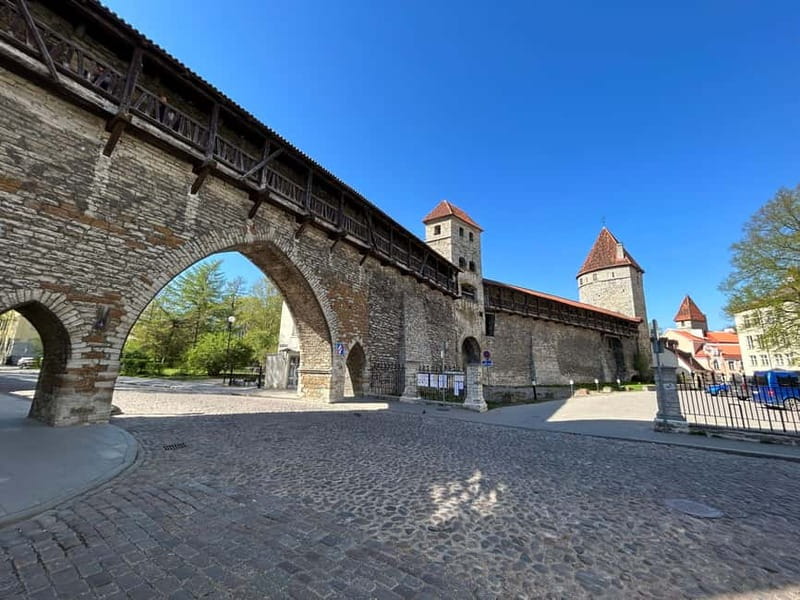
Bring comfortable shoes, sunglasses, a camera, and cash. Cobblestones are part of the experience. If you have sneakers that you trust for 2 hours on uneven stone, you are set.
After the walk, use what you learned to plan your next stops in the right order. For example:
- If you want more medieval architecture, go back to the places that the guide connected to the Lower Town and Upper Town story.
- If you want a food and shopping path, this tour includes recommendations about local food and drinks, plus suggestions for museums and art galleries.
This is also a great first-day activity. You see the main sights in a compact time window, so you will know where to wander on your own after the tour.
Should you book this Tallinn Medieval Walking Tour?
Book it if you want a 2-hour orientation that links Tallinn’s sights to the stories behind them. The best version of this tour happens when you enjoy architecture, legends, and photo viewpoints, and when you like guides who answer questions and keep the pace steady.
Skip it if you are expecting an easy, flat stroll, or if your group needs wheelchair access. Also, if you want museum entry time and do not want to think about separate tickets, note that museum entry is not included, so you may need to plan extra visits on your own.
If you are deciding what to do first in Tallinn, this one is a strong start. It helps you see the city’s medieval layout, then gives you the views to remember it by.
FAQ
Where is the meeting point for the Tallinn medieval walking tour?
The meeting point is Raekoja 1 on Town Hall Square. The guide picks you up at the Town Hall Square down the Town Hall clock with a sign with your name.
How long is the tour?
The tour lasts 2 hours.
How much does the tour cost?
The price is $42 per person.
What is included in the tour price?
A live guide is included.
Are museum entries included?
No. Entry to museums is not included.
What should I bring for this tour?
Bring comfortable shoes, sunglasses, a camera, and cash.
Is this tour suitable for everyone?
It is not suitable for pregnant women or wheelchair users.
Latest to appear in Tallinn
- Private 2.5-Hour Tour of Tallinn Old Town in a Spacious Mercedes Minivan
★ 5.0 · 1 review - Private Transfer from Tallinn to Riga and Stopover at Turaida
★ 5.0 · 1 review - Two Countries in One Day: Day Trip from Riga to Tallinn
★ 5.0 · 1 review - Guided Tallinn Old Town Winter Walking Tour
★ 5.0 · 1 review - Estonian Gingerbread Workshop in Tallinn’s Old Town
★ 5.0 · 1 review - Enchanted Tallinn: Private Christmas Walking Tour with Piparkook
★ 5.0 · 1 review - Tallinn: Old Town Tour with Bog Walk
★ 5.0 · 1 review - Tallinn: 24-Hour City Bike Rental
★ 5.0 · 1 review
Tallinn Old Town Walks, compared.
Guided Old Town Tallinn Historical Walking Tour
Read our review →
Tallinn Old Town: Stories and Views 2‑Hour Walking Tour
Read our review →

Private Shore Excursion: Tallinn Old Town Walking Tour with Round-Trip Transfer
Read our review →Browse the lists this tour appears in